
Jennifer Chien
I’m on the faculty job market this cycle!
I’m currently an Embedded Ethics Postdoctoral Fellow at Stanford, jointly through the McCoy Family Center for Ethics in Society and the Institute for Human-Centered AI (HAI), working with James Landay and Leif Wenar. I completed my PhD in Computer Science at UC San Diego (dissertation: User Agency Across the Machine Learning Pipeline), advised by Margaret Roberts and David Danks, and my BA in Computer Science (minors in Mathematics and Statistics) at Wellesley College, where I graduated Magna Cum Laude and was inducted into Phi Beta Kappa and Sigma Xi.
My work asks how we can design systems that remain responsive to the users and contexts throughout deployment (i.e., when their original assumptions do not hold). I develop mechanisms that collect corrective data by enabling users to override decisions and evaluation methodologies to show that they succeeded. My work has examined two key facets of user agency: instrumental agency (i.e., what a user can do), and cognitive and epistemic agency (i.e., what a user can think or know), through feedback mechanisms, formal fairness guarantees, post-deployment mitigation strategies, and actionable evaluation metrics and design criteria.
My work has been published in top AI ethics venues FAccT, AIES, EAAMO, Journal for Responsible Computing, and CHI, where I received Editor’s Choice Award (CHI ‘24) and has led to invited talks or being featured at Microsoft, IBM, Hugging Face, and at several universities. I have been lucky to have my work supported by the Graduate Fellowship for STEM Development, the UCSD School of Global Policy & Strategy Science Policy Fellowship, and as an Embedded Ethics Fellow with the McCoy Family Center for Ethics in Society and the Stanford Institute for Human-Centered AI (HAI).
Research interests: Responsible Artificial Intelligence/Machine Learning, Algorithmic Fairness, Algorithmic Recourse, User Agency, Representational Bias/Harms, Sociotechnical Research, Sequential Decision Making, Ethical, Trustworthy, and Safe AI
Selected Publications
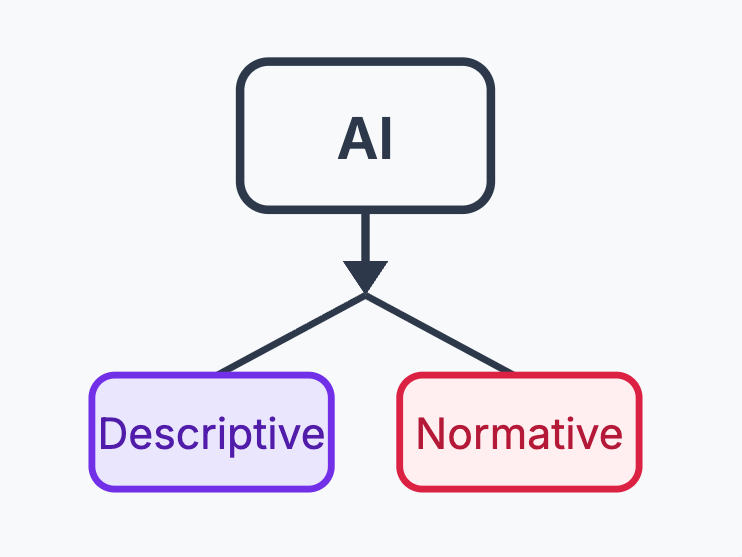
What Should AI Generate? Moving Beyond Bias in Generative Systems
Proposes a framework separating descriptive from normative aspects of generative AI representations, arguing for plurality over a single unbiased standard.
Recommended citation: Jennifer Chien. (Forthcoming). "What Should AI Generate? Moving Beyond Bias in Generative Systems." AIES 2026.
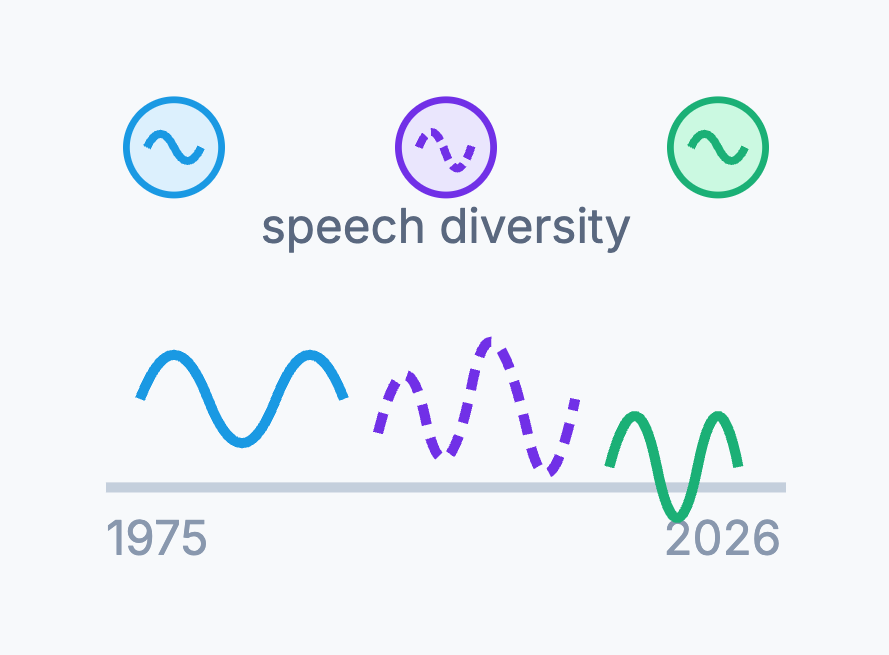
Making Room for Speech Diversity: A 50 Year Retrospective of Speech Science and Technology through a Neurodivergent Lens
A 50-year scoping review of Interspeech/ICASSP research reveals medicalized framings and ableist language limiting inclusion of neurodivergent speech.
Recommended citation: Rebecca Lietz, Jingjin Li, Peiyao Liu, Jennifer Chien, Norman Su, Shaomei Wu. (Forthcoming). "Making Room for Speech Diversity: A 50 Year Retrospective of Speech Science and Technology through a Neurodivergent Lens." Interspeech 2026.
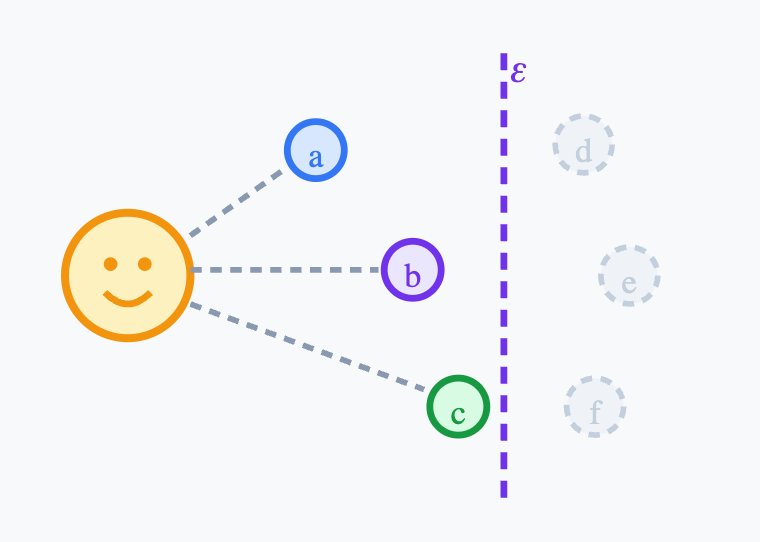
Fairness Vs. Personalization: Towards Equity in Epistemic Utility
Proposes equity in epistemic utility as an alternative to conventional fairness in personalized recommender systems.
Recommended citation: Jennifer Chien, David Danks. "Fairness Vs. Personalization: Towards Equity in Epistemic Utility." Journal of Responsible Computing 2026.
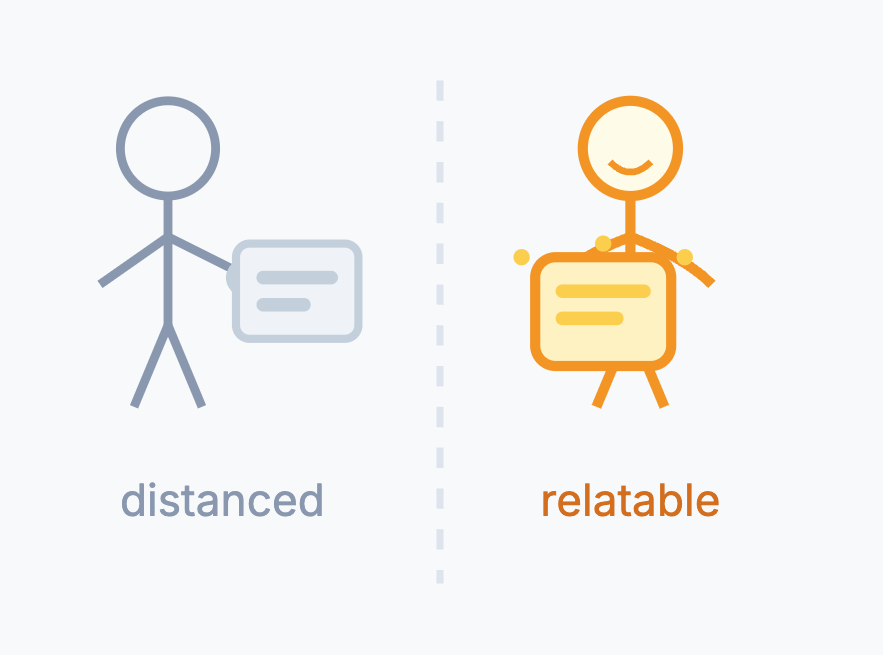
Making Ethics Matter: Relatable Pedagogical Approaches for Every Computer Science Student
Examines how Embedded Ethics curricula can inadvertently alienate CS students, and calls for more broadly relatable framings of ethical dilemmas.
Recommended citation: Louie Ortiz and Jennifer Chien. 2026. "Making Ethics Matter: Relatable Pedagogical Approaches for Every Computer Science Student." RESPECT 2026.

Beyond Behaviorist Representational Harms: A Plan for Measurement and Mitigation
Expands representational harm beyond behavioral measures to cognitive and affective states, with a focus on large language models.
Recommended citation: Jennifer Chien, David Danks. (2024). "Beyond Behaviorist Representational Harms: A Plan for Measurement and Mitigation." FAccT 2024.
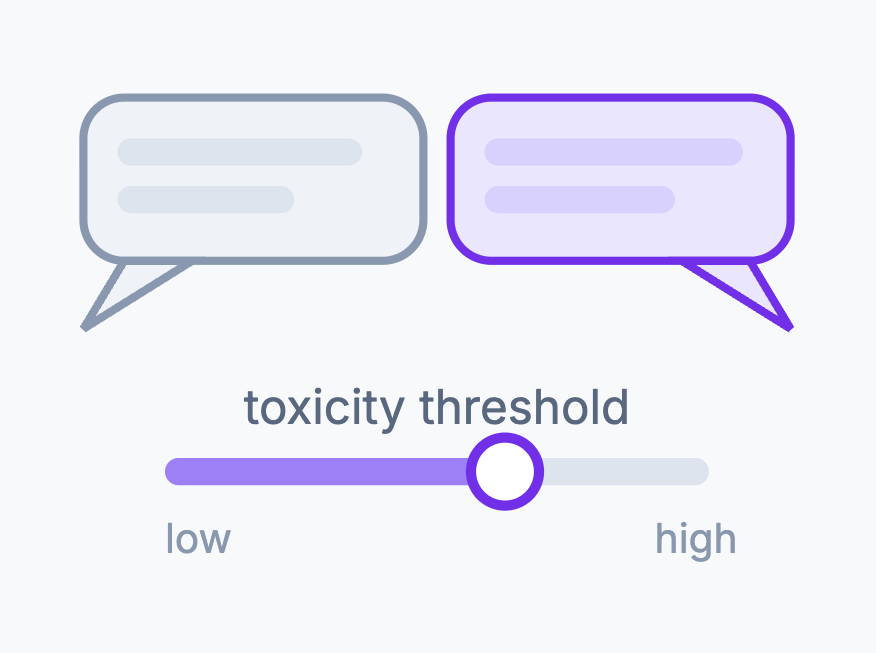
Recourse for Reclamation: Chatting with Generative Language Models
Extends algorithmic recourse to generative language models, letting users dynamically adjust toxicity-filtering thresholds for language reclamation.
Recommended citation: Jennifer Chien, Kevin R. McKee, Jackie Kay, William Isaac. (2024). "Recourse for Reclamation: Chatting with Generative Language Models." CHI Late Breaking Work (LBW) 2024.

The Illusion of Artificial Inclusion
Argues that replacing human research participants with AI surrogates conflicts with core values of representation and inclusion. Editors' Choice at CHI 2024.
Recommended citation: William Agnew, A. Stevie Bergman, Jennifer Chien, Mark Diaz, Seliem El-Sayed, Jaylen Pittman, Shakir Mohamed, Kevin R. McKee. (2024). "The Illusion of Artificial Inclusion." CHI 2024.
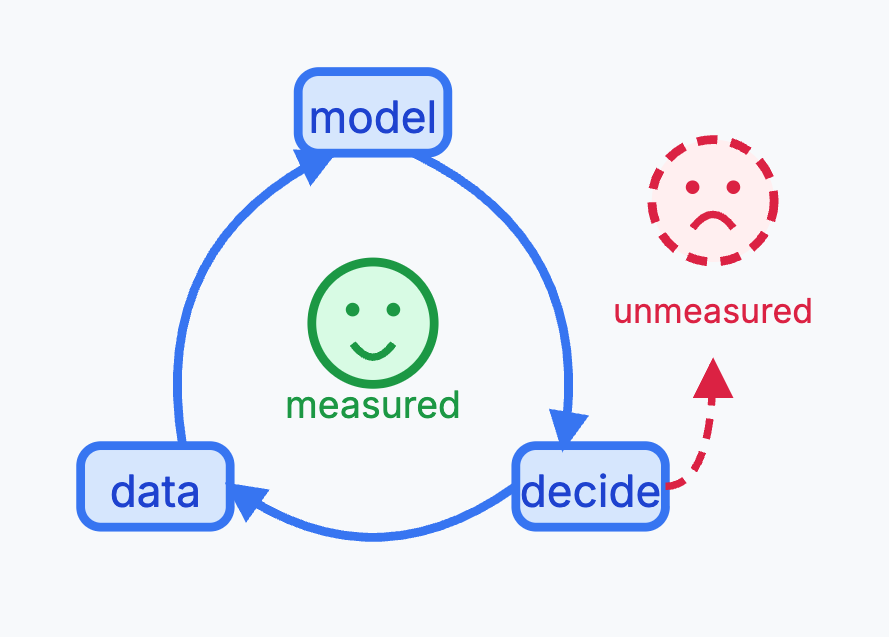
Algorithmic Censoring in Dynamic Learning Systems
Formalizes algorithmic censoring in dynamic learning systems and proposes recourse and randomized exploration as mitigations.
Recommended citation: Jennifer Chien, Margaret Roberts, Berk Ustun. (2023). "Algorithmic Censoring in Dynamic Learning Systems." EEAMO 2023.
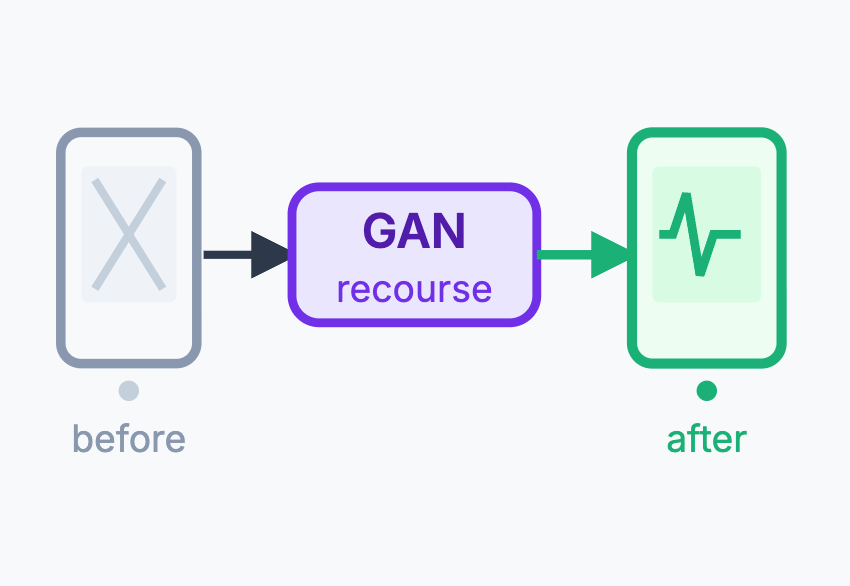
Actionable Recourse via GANs for Mobile Health
Demonstrates GAN-generated recourse for improving engagement prediction in a maternal health training app for birth attendants.
Recommended citation: Jennifer Chien, Anna Guitart, Ana Fernández del Río, África Periáñez, Lauren Bellhouse. (2022). "Actionable Recourse via GANs for Mobile Health." ML4H 2022.